
-
New Alligator River Bridge on track for fall 2028 opening
Largely favorable weather conditions and a cooperative attitude among the North Carolina Transportation, skilled crews, and contractors have put the $523 million project on pace for on-time completion, but the optimism is guarded.
Spotlight
-
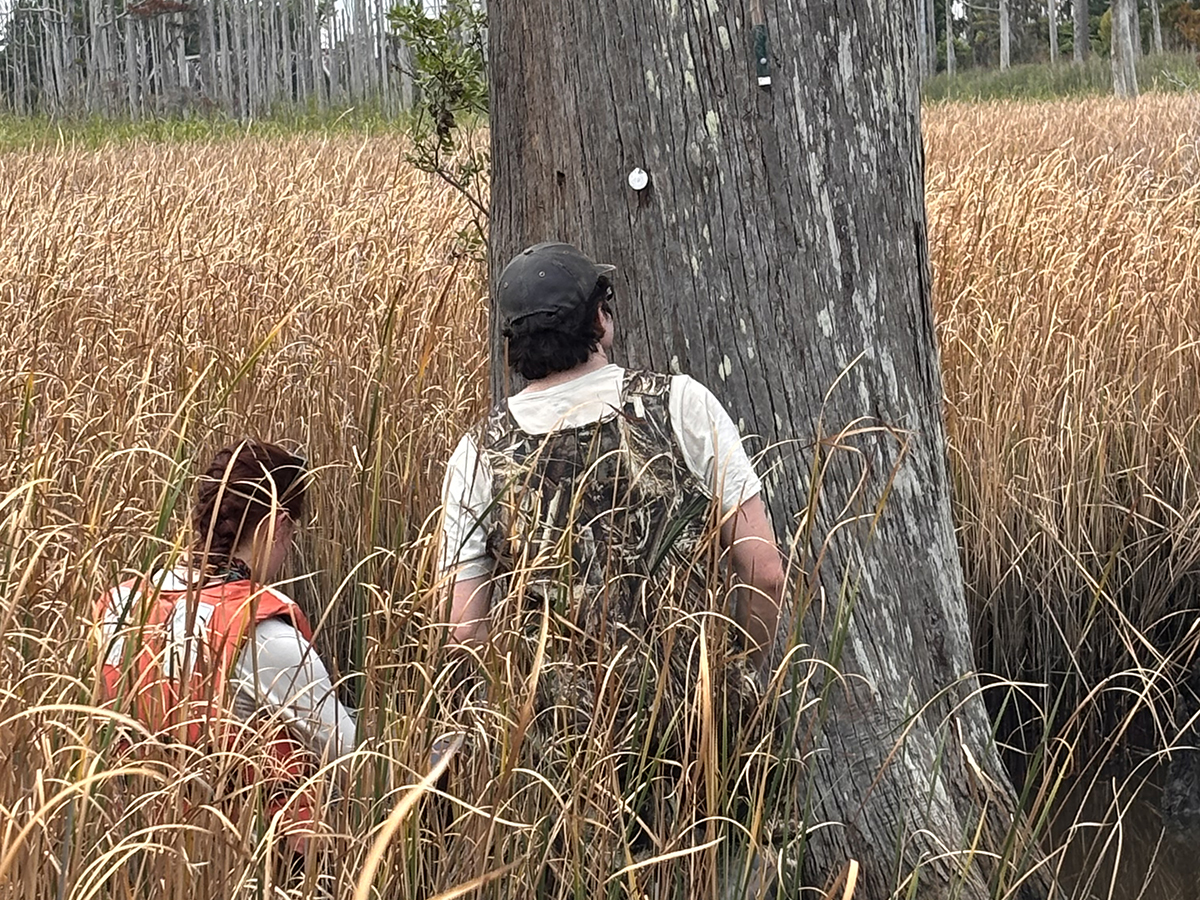
At 871 years, Smith Creek’s oldest known cypress imperiled
Study author Madison Gerdes said her research team accomplishes “environmental storytelling” by sampling trees in an upstream section of the Cape Fear River tributary, where stands are at least 500 years old and threatened by saltwater intrusion.
News Briefs
-
Wrightsville Beach bridge project work may affect motorists
The North Carolina Department of Transportation has installed signs alerting residents that the westbound shoulder of West Salisbury Street will be closed beginning Oct. 27 near the bridge and Pelican Drive.
-
State ferries offer Stumpy Point-Rodanthe emergency runs
Emergency ferry service is now being offered between Stumpy Point and Rodanthe for Hatteras Island residents, essential personnel, and nonresident property owners while N.C. Highway 12 remains closed because of damage from the recent storm.
-
River Watch pick and paddle cleanup set for Saturday
Cape Fear River Watch’s upcoming litter removal is scheduled for Saturday at Sawpit Landing near Burgaw in Pender County.
-
State names Howell as head Division of Marine Fisheries
Jonathan Howell, who has served in various roles for more than 20 years in the Division of Coastal Management, will take the helm at the North Carolina Division of Marine Fisheries later this month.
-
NC Land and Water Fund selects coastal projects for grants
The list of projects awarded grants from the North Carolina Land and Water Fund include those that will protect large areas of pond pine woodland, freshwater and brackish marshes, and nonriverine swamp forest in coastal counties.
Get the news of the North Carolina coast delivered daily.
Subscribe to Coastal Review
Special Report
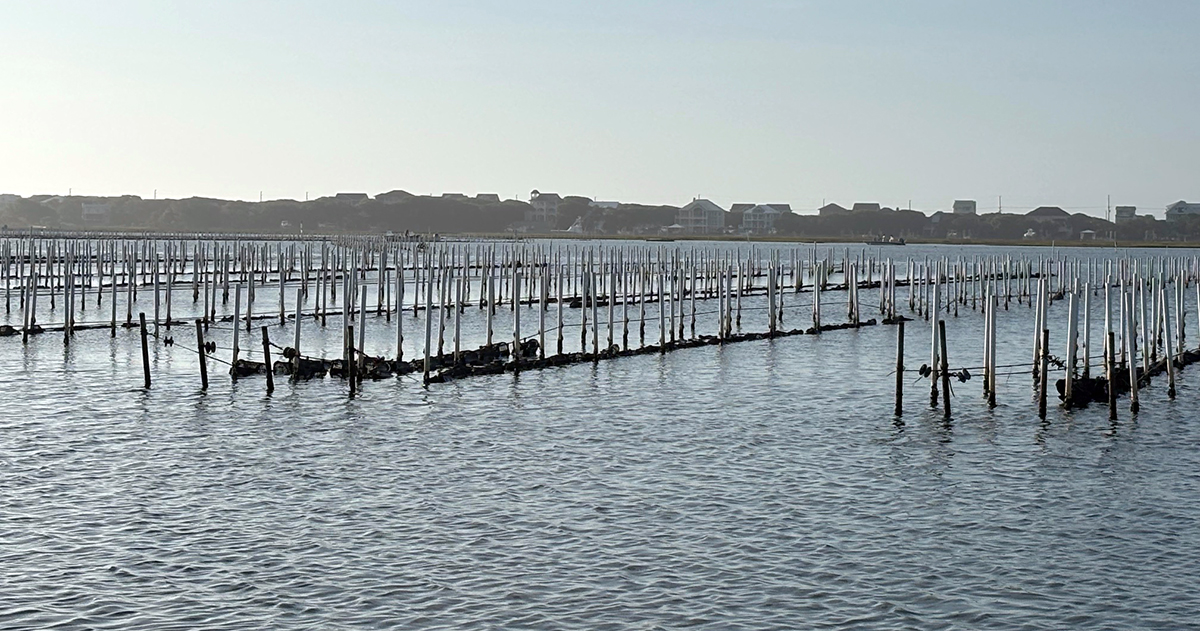
Conflicts on the Water: Growing Shellfish, Increasing Tensions
The state’s burgeoning mariculture industry combined with coastal development is a recipe for disagreement over leasing, but is a moratorium the solution?
News & Features
-
New Alligator River Bridge on track for fall 2028 opening
Largely favorable weather conditions and a cooperative attitude among the North Carolina Transportation, skilled crews, and contractors have put the $523 million project on pace for on-time completion, but the optimism is guarded.
Science
-
At 871 years, Smith Creek’s oldest known cypress imperiled
Study author Madison Gerdes said her research team accomplishes “environmental storytelling” by sampling trees in an upstream section of the Cape Fear River tributary, where stands are at least 500 years old and threatened by saltwater intrusion.
Commentary
-
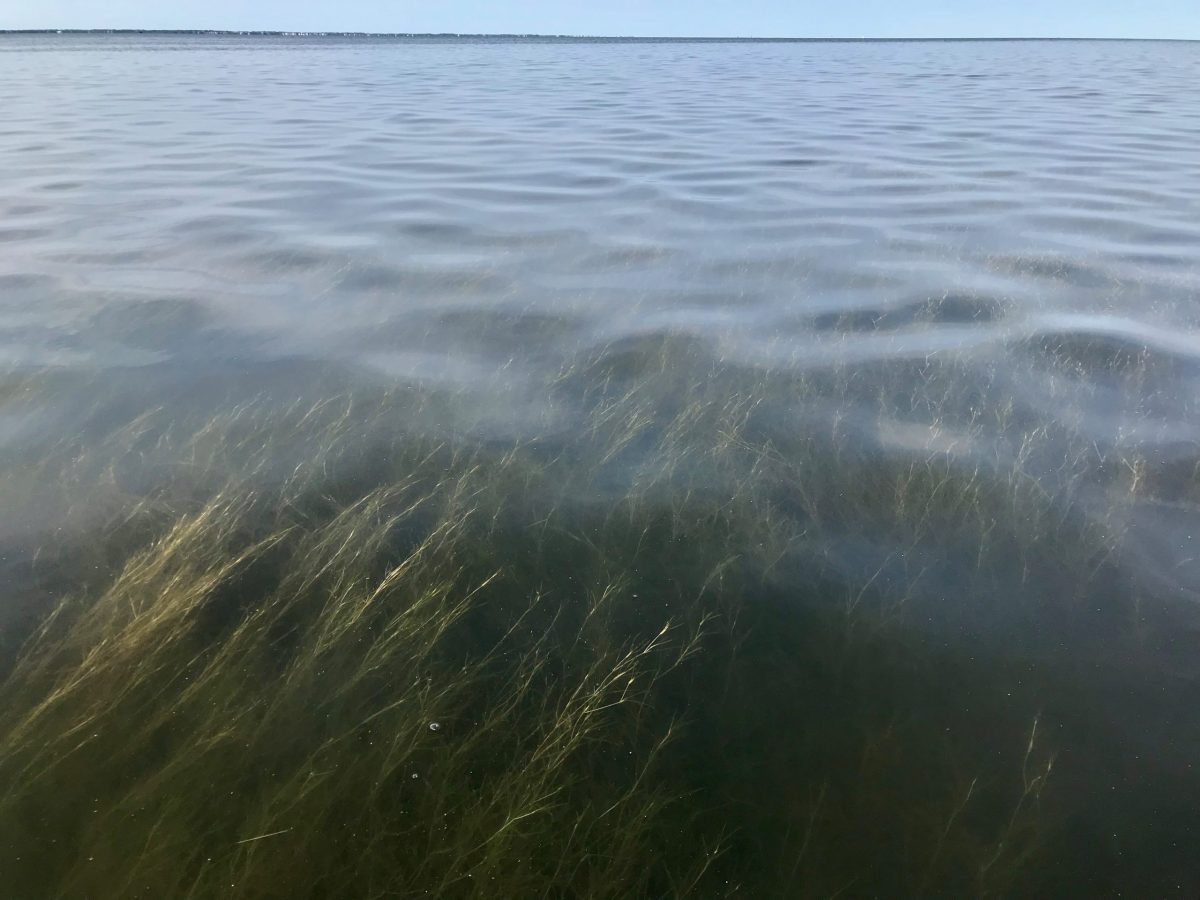
Fisheries fix: ‘If you can’t hatch them, you can’t catch them’
Guest opinion: Jess Hawkins spent 30 years working with the North Carolina Division of Marine Fisheries and helped develop and then implement recommendations of the Fisheries Reform Act of 1997. “I believe we have lost sight of one of the most important ideas behind that landmark legislation.”
Our Coast
-
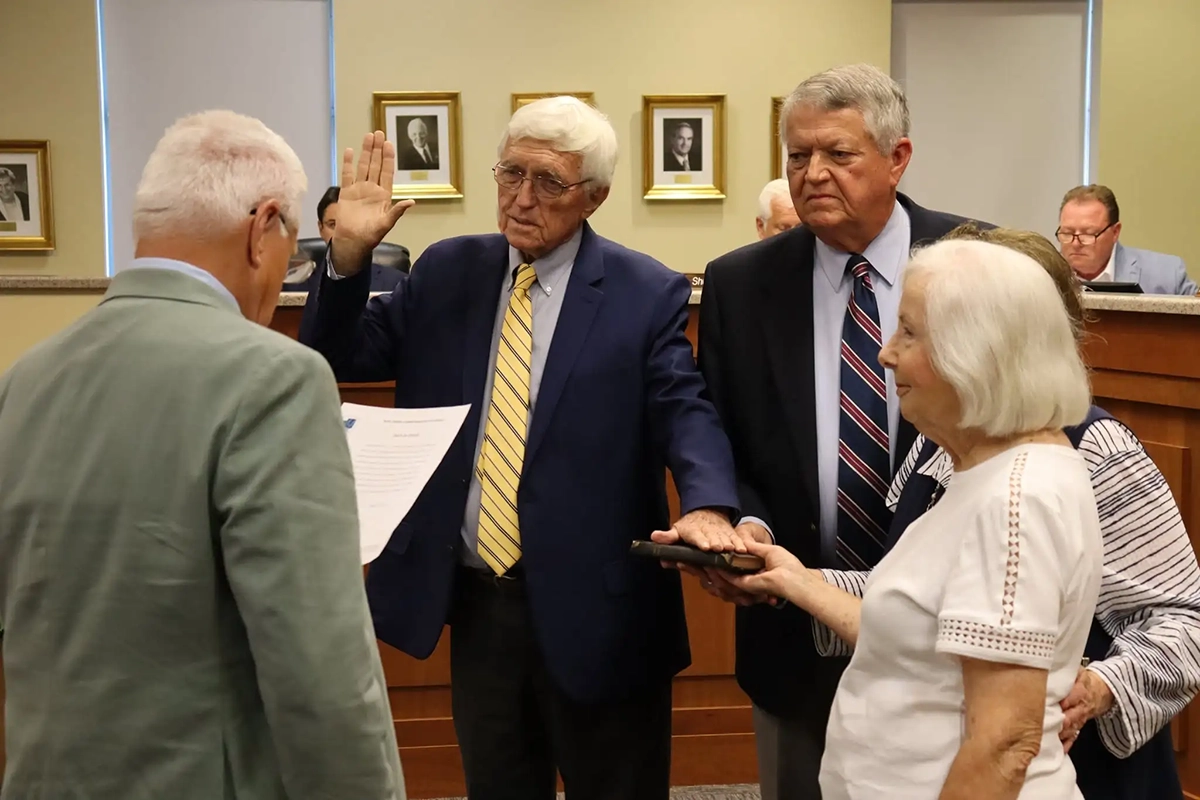
‘A gentleman’: Coastal commissioners recall Joe Hollowell
Hollowell is remembered as a political conservative who was also an early advocate for the state’s Coastal Area Management Act and active in various local government roles.
-
New Coastal Land Trust director knows its inner workings
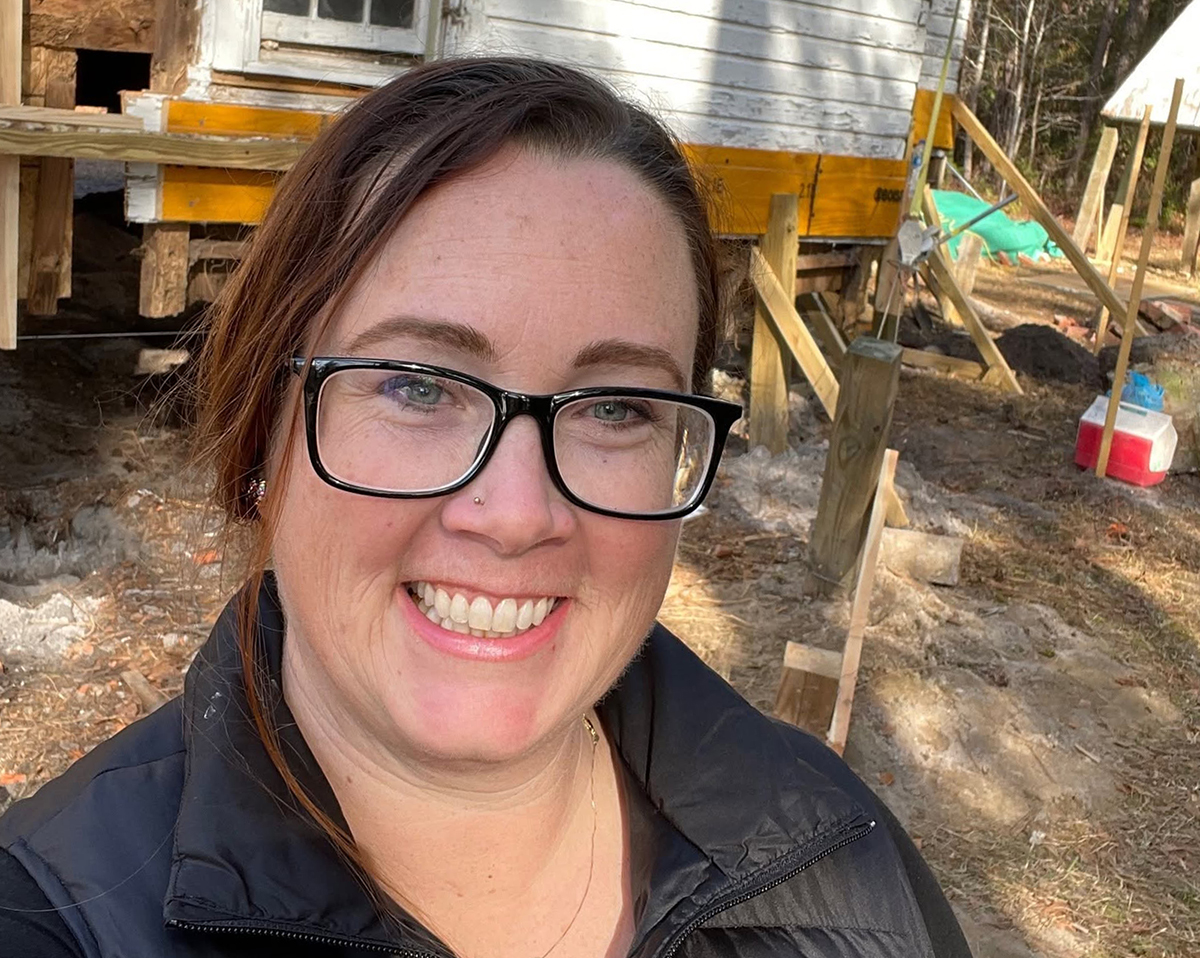
A temporary position with the North Carolina Coastal Land Trust 24 years ago unexpectedly turned into a career for Jesica Blake, who recently took the helm at the Wilmington-based conservation organization.
-
Duck to welcome diverse artists’ roster for annual jazz festival
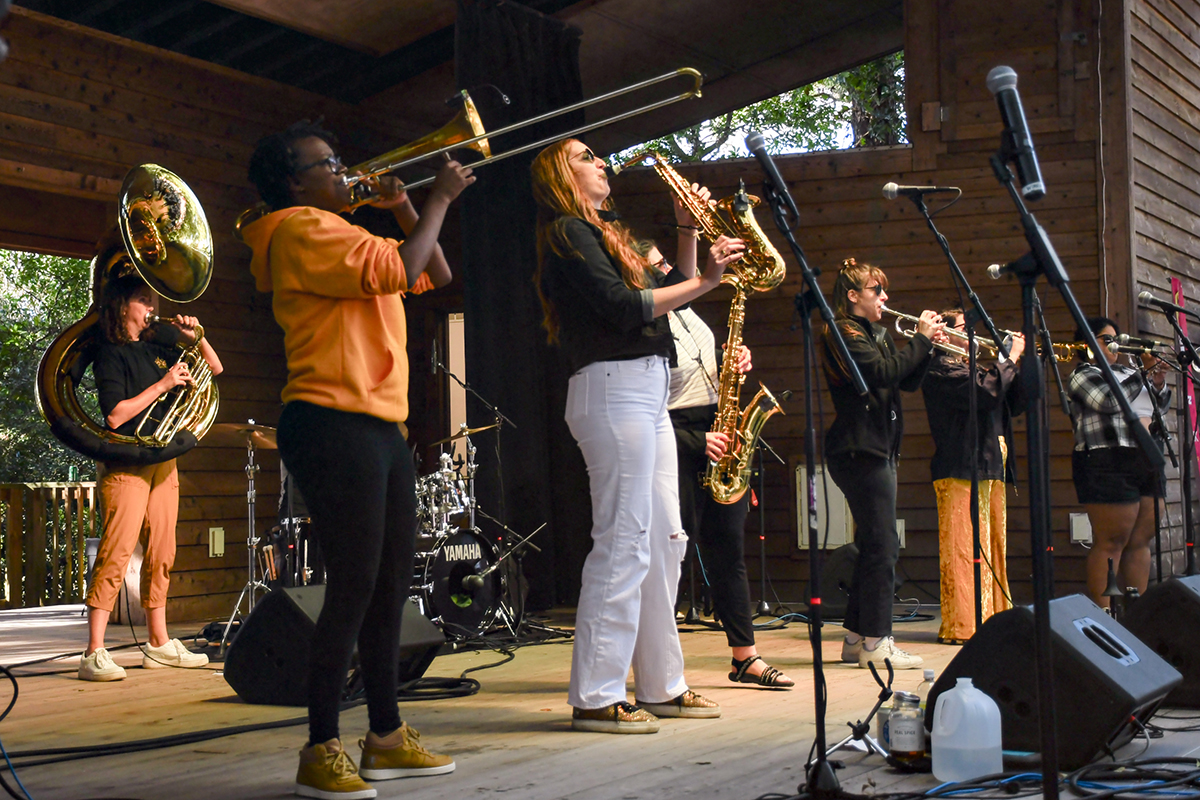
A preview performance is set for Saturday, Oct. 10, and then performances are scheduled continuously throughout the day on Sunday, Oct. 11.
Featured Photo
-
Leaping peeper peers from protective peephole
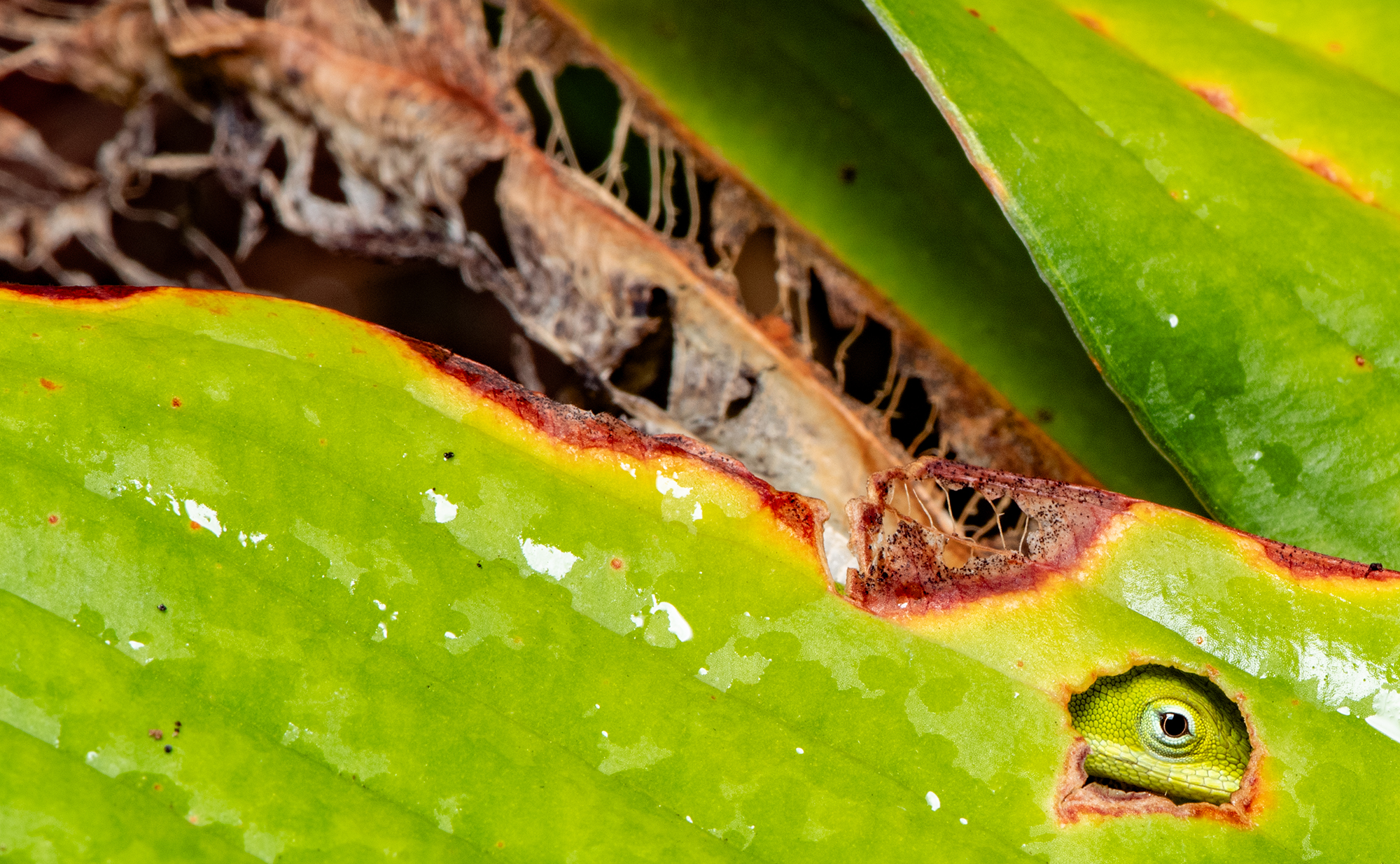
A juvenile anole, or Anolis carolinensis, sneaks a peek at its surroundings from a vantage point beneath a hosta leaf in a Beaufort garden near Russell Creek in Carteret County. Sometimes described as “American chameleons,” anoles can be found across the state’s coastal plain and southern Piedmont regions, can live as long as eight in the wild, according to the North Carolina Wildlife Resources Commission. They can also leap distances of up to 12 inches. Photo: Dylan Ray