

The Center for Biological Diversity and other conservation groups contend that the approach taken by U.S. Fish and Wildlife Service Director Brian Nesvik and the rest of the Trump administration “cuts the heart out of the Endangered Species Act.”
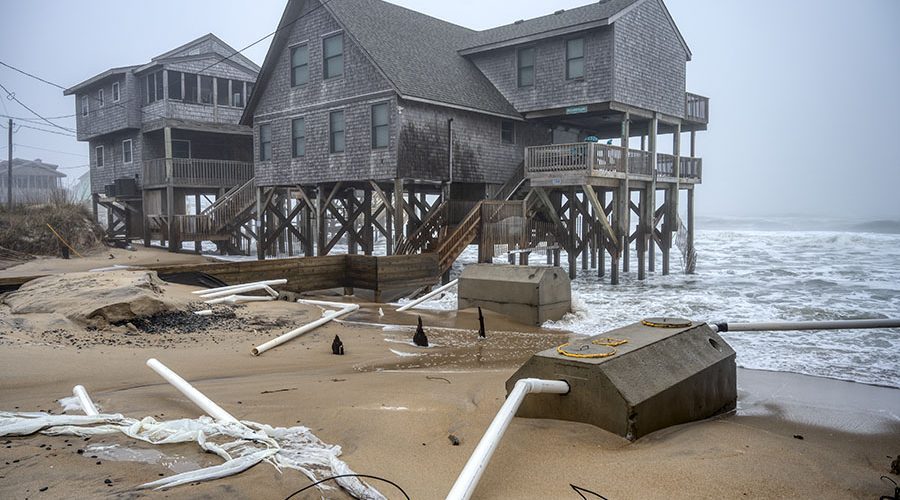
Coastal commission tables proposed septic rule amendments
The Coastal Resources Commission, poised last week to consider two rule amendments regarding septic systems on the beach, instead tabled the discussion until October.
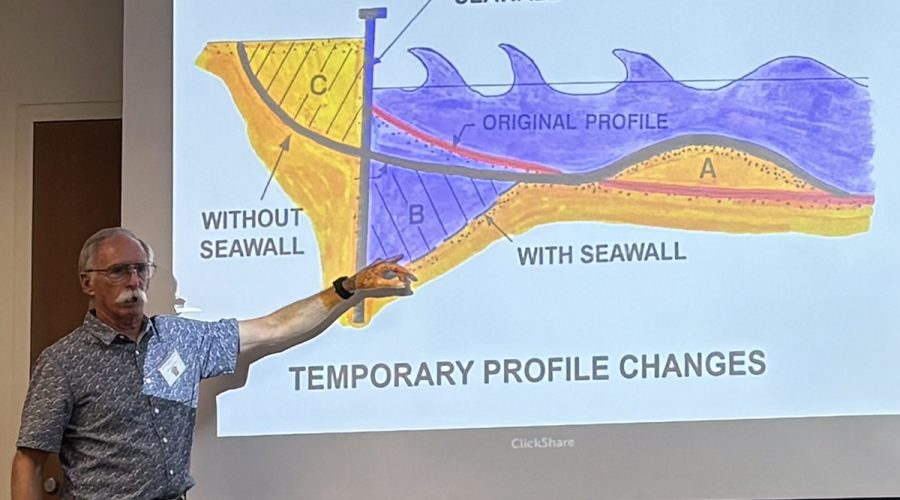
CRC seawall science skeptics attempt ‘political stand’: Cahoon
The Coastal Resources Commission Science Panel’s recently presented analysis and recommendations regarding proposed fixes for the Outer Banks’ severe beach erosion were not the messages that commissioners opposed to the state ban on breakwaters and other hard structures on the oceanfront wanted to hear, nor was the chair’s sharp rebuke.
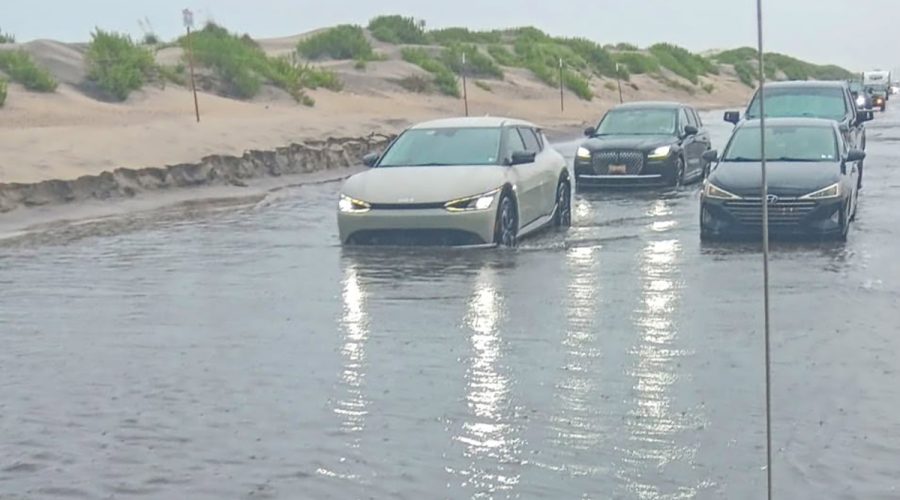
Rainfall that closed NC 12 on Pea Island part of climate trend
A recent a rainstorm that one transportation engineer described as “an extreme circumstance” nearly impossible to plan for surprised even the most seasoned Outer Bankers when it closed N.C. Highway 12, although more weather like this is to be expected.
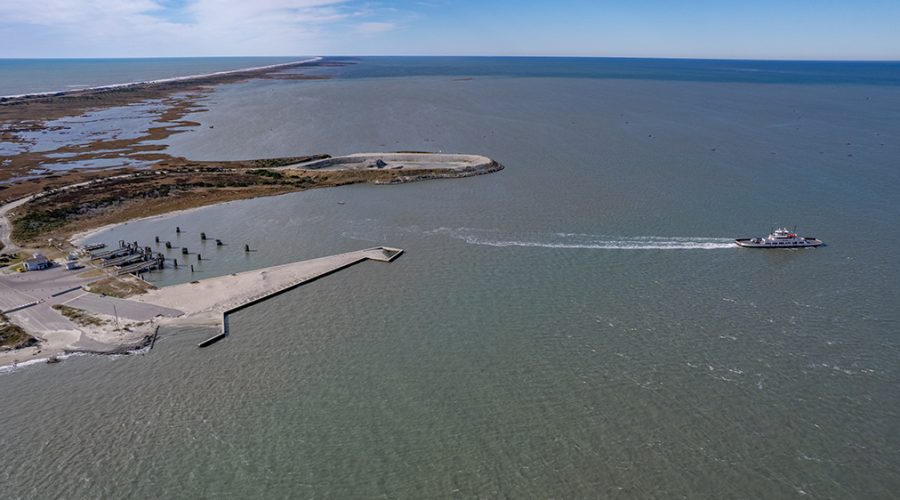
‘There’s no way’: Hanig decries rationale, rush to toll ferries
Sen. Bobby Hanig says the Jan. 1 deadline is impossible, but legislative leaders have so far refused to budge on the date by which the Ferry Division must implement tolling for the four state ferries that now are free to ride.
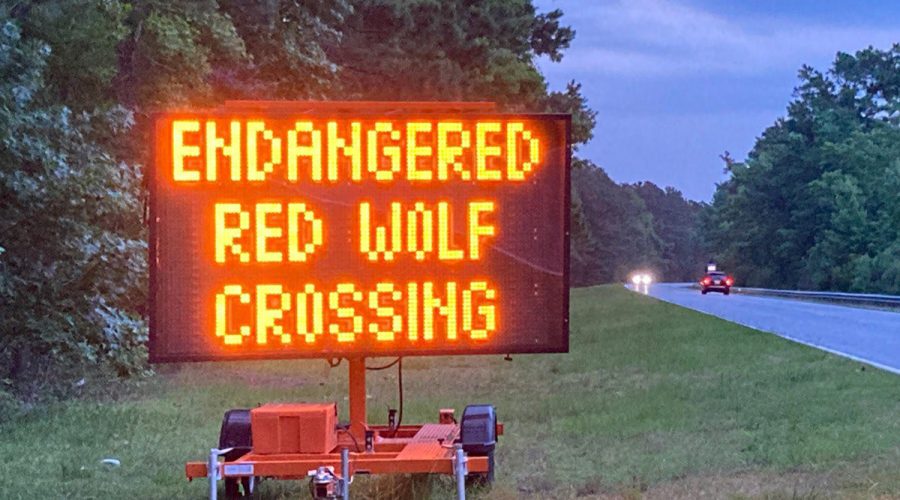
Budget, donors, grants total $31 million for wildlife crossings
Wildlife advocates are hailing the recently approved state budget for including $10 million of a $31 million project to build 11 protected road crossings for wildlife with corresponding fencing along 2.5 miles of U.S. 64 from the east end of East Lake on the Dare County mainland to west of Robertson Landing Road by 2031.
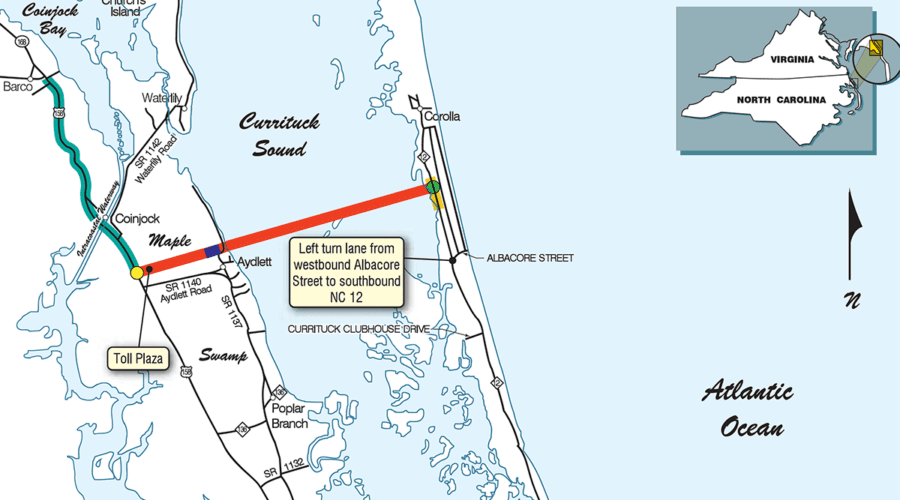
Agencies plod on as audit shows Currituck bridge funding gap
Amid a bad financial outlook and local opposition and concerns, a recent state audit of the long-planned transportation project paints a bleak picture with shortfalls nearly impossible to fill.
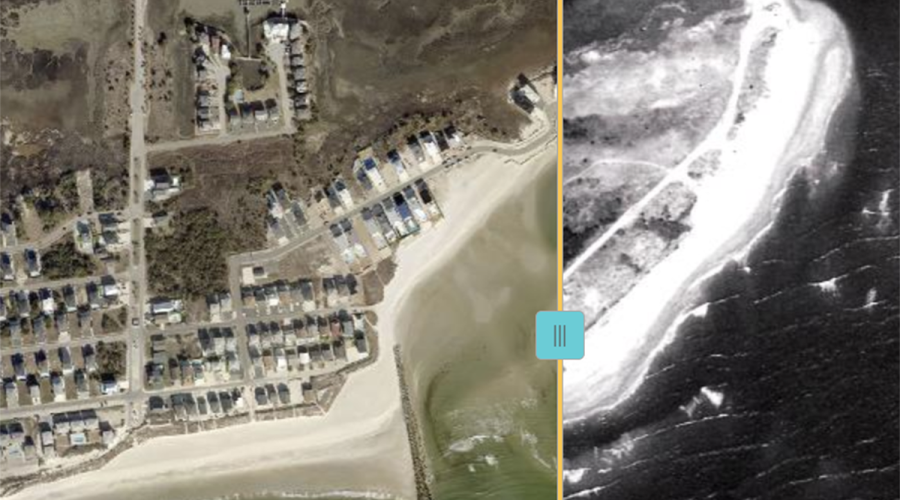
Report on effects of hardened shorelines offers no easy fix
As bills to undo 40 years of coastal policy loom in Raleigh, the Coastal Resources Commission Science Panel last week presented its draft report on erosion-control structures and advised careful consideration of any new projects.
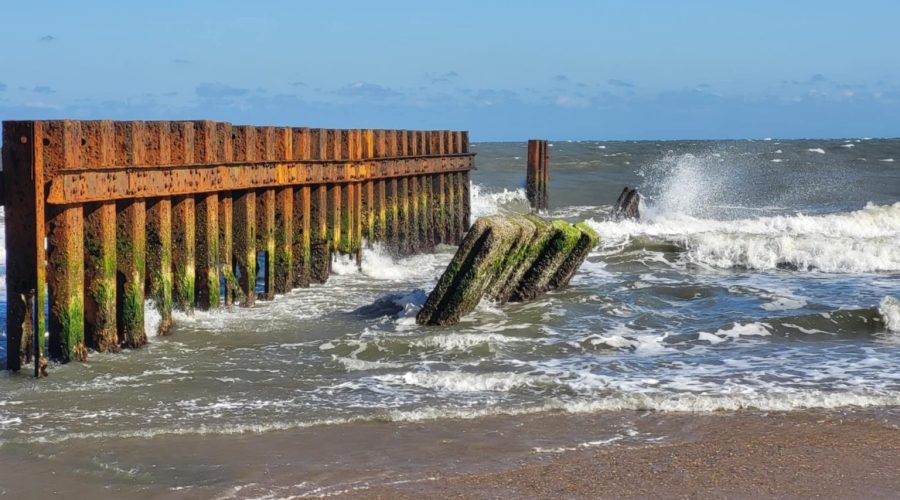
Brinson touts bills to ax ocean erosion-control structure ban
Sen. Bob Brinson discussed the bills last week in committee, measures that would undo four decades of coastal policy, just as the science advisory panel to the Coastal Resources Commission readies a report on these structures’ effects and effectiveness.

‘Too soon’ to see NC’s effects from a NextEra-Dominion deal
The potential $67 billion, all-stock merger of electric utilities, Virginia-based Dominion Energy and Florida-based NextEra Energy, could boost further renewable power development in northeastern North Carolina and create a massive utility, but whether it will be an overall good thing for the Tar Heel State remains to be seen.
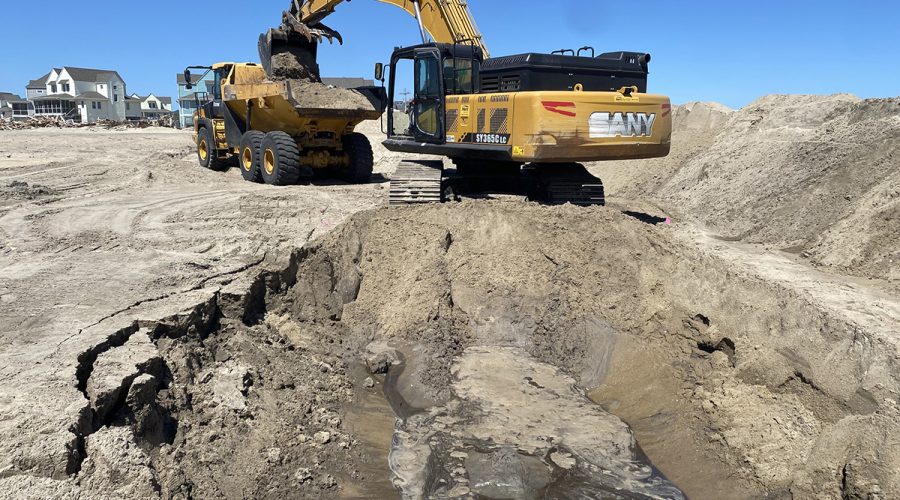
Corps crews set to wrap up cleanup at Buxton FUDS site
Army Corps of Engineers officials say that by the end of May, seven months of work to remove tons of petroleum-contaminated soil, water and debris from the beach next to the original site of the Cape Hatteras Lighthouse is expected to be complete.
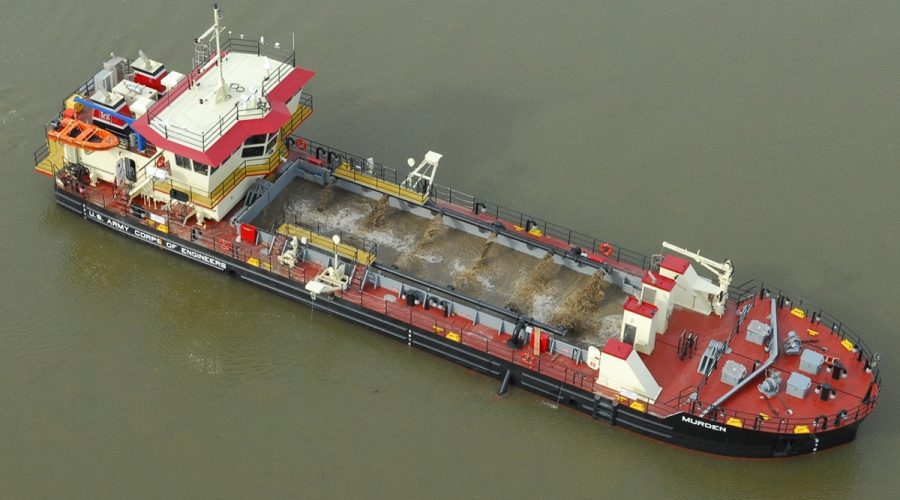
Corps says initiative will streamline infrastructure permitting
An Army Corps of Engineers initiative announced earlier this year is geared to speed up and improve the permitting process for civil works projects, eliminating “bureaucratic delays” with new technology and tools, but when it comes to dredging and beach nourishment, nothing is as simple as that may sound.
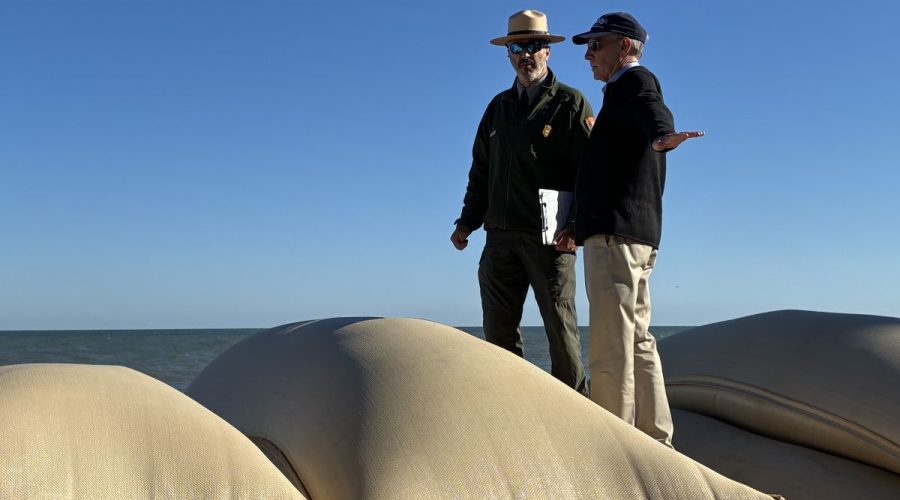
Study of past erosion-control lessons key to ongoing review
Analyzing lessons learned over decades of fighting back the ocean is critical as the North Carolina Coastal Resources Commission’s Science Panel wraps up its ongoing study of the effects of permanent beach erosion control structures such as seawalls and jetties.
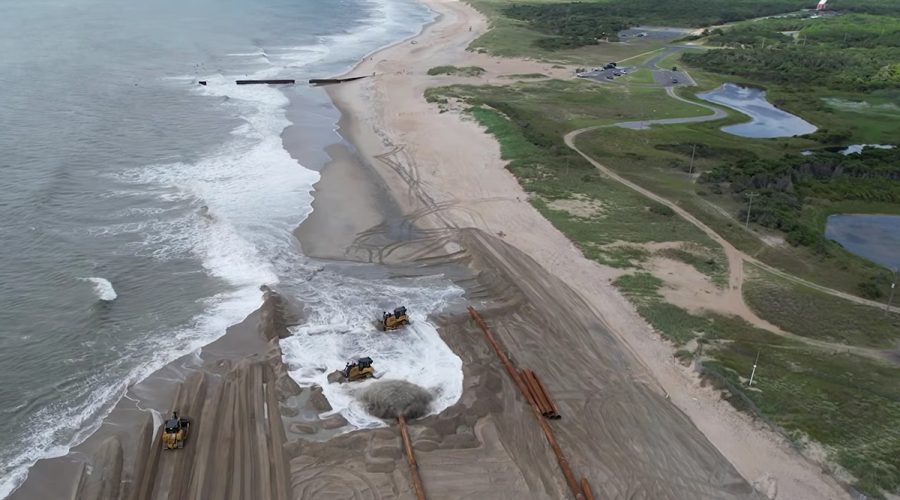
Panel takes new look at beach erosion-control structures
Special report: As beach erosion alarms sound up and down the North Carolina coast and Outer Banks houses continue to fall into the ocean, policymakers are once again eyeing the science behind the state’s longstanding hardened structures ban.
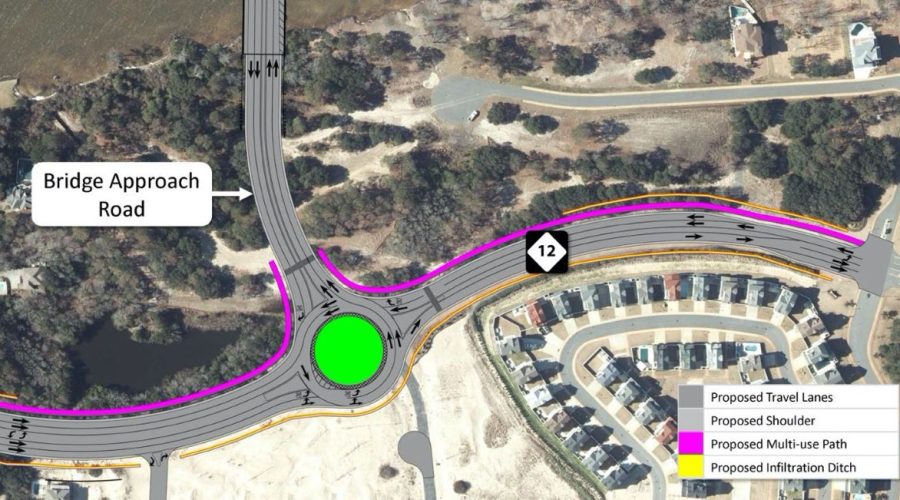
New cost report puts proposed Mid-Currituck bridge at $1.2B
A new analysis of two revenue options has cast doubts on the project’s future, with serious concerns raised about the latest estimated construction costs that hover around $1.2 billion.

With court relief, work resumes on Virginia offshore wind
Dominion Energy’s 2.6-gigawatt Coastal Virginia Offshore Wind project, which was ordered by the Trump administration to stop work in December, is now on track for completion by early next year — but at a considerably higher cost.