
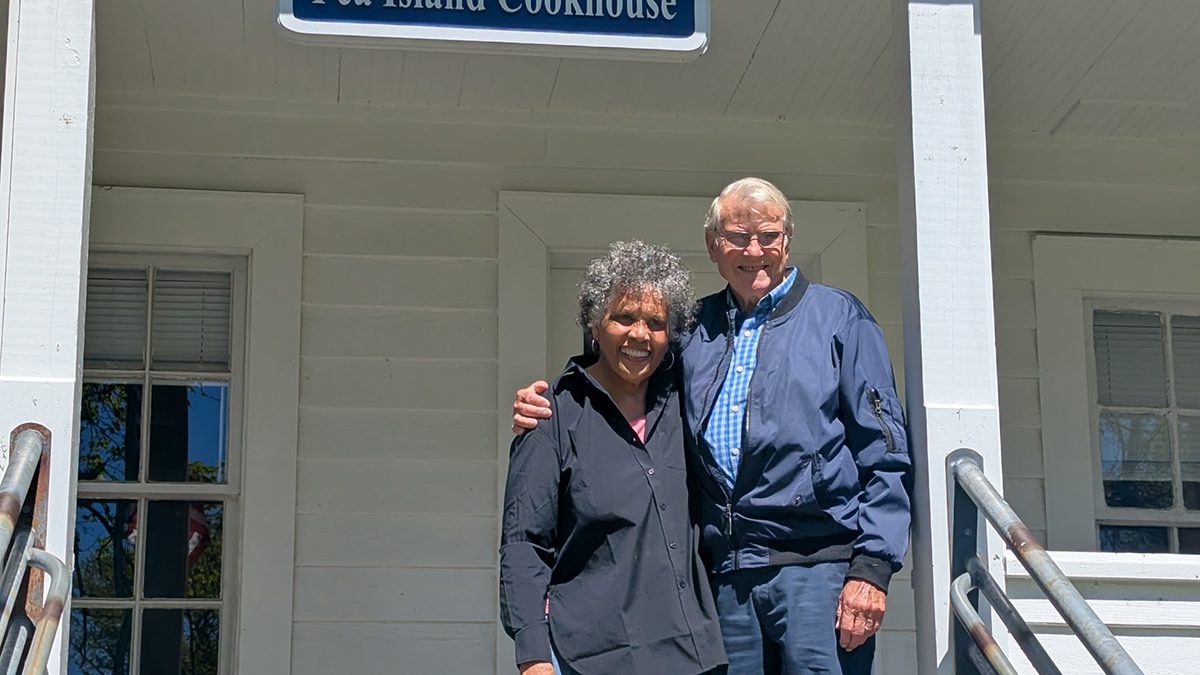
Joan Collins, director of outreach and education with the Pea Island Preservation Society Inc., relates how she happened to meet Johnnie Van Willis of Marshallberg and the discovery of what their two families have in common.
Places
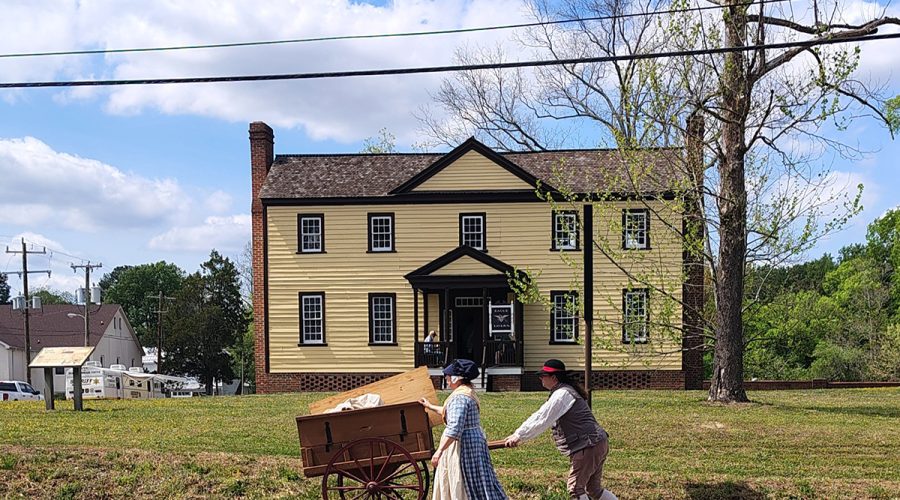
First document to declare independence celebrated in Halifax
The first official action taken toward Independence by any colony was commemorated this past weekend with numerous dignitaries and more than 300 turning out for “Halifax Resolves Days.”
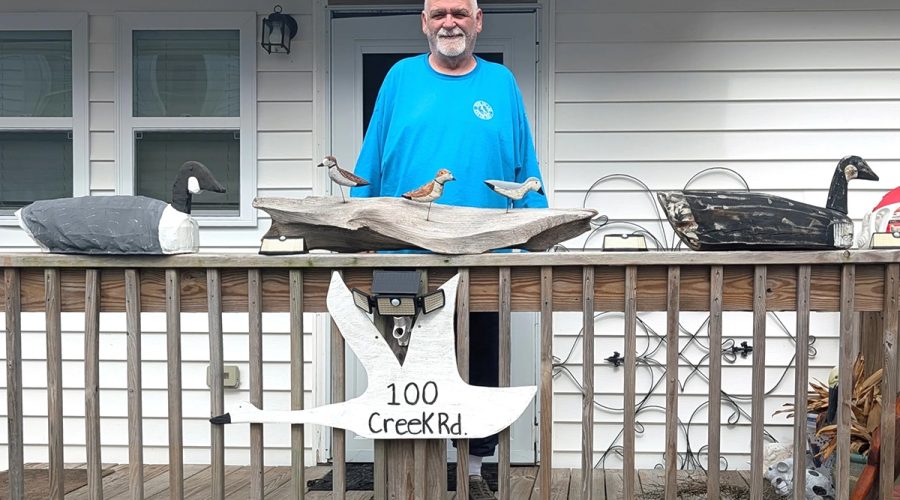
Ocracoke decoy festival to highlight Eddie O’Neal’s carvings
Lifelong waterman and islander Eddie O’Neal is the featured carver for this year’s Ocracoke Island Waterfowl Festival Friday and Saturday in the Ocracoke School gym.
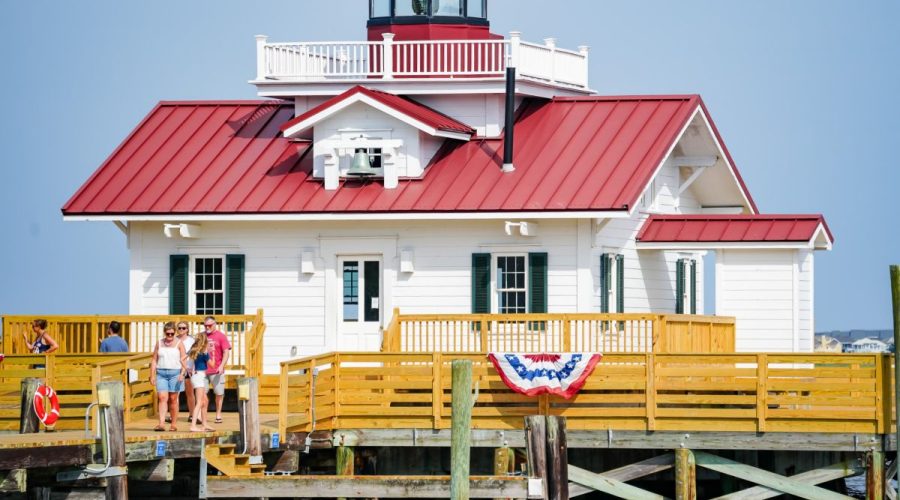
Dare’s A250 Faire to honor ‘Liberty, Legacy and Lift-Off’
Dare County’s A250 Committee has planned two celebrations for Saturday in Manteo as part of its commemoration of the 250th anniversary of the signing of the Declaration of Independence.
‘Black Church Crawl’ to be immersive, historic experience
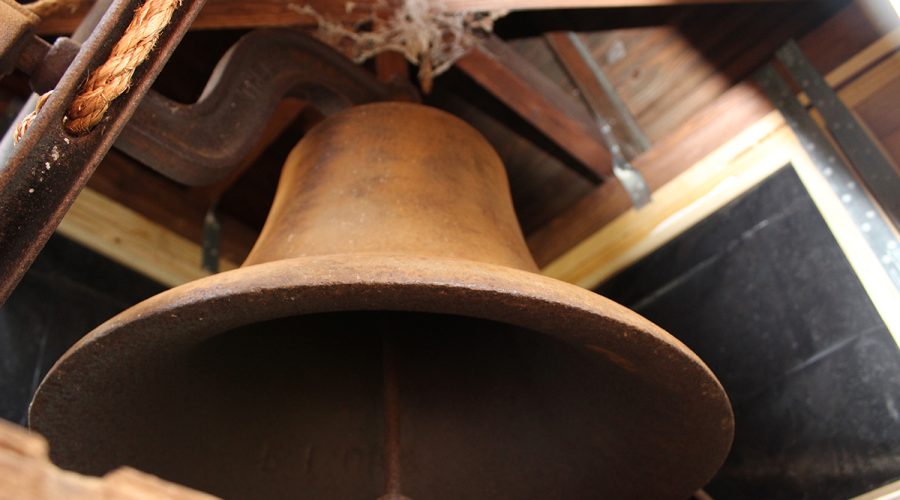
The Gullah Geechee Cultural Heritage Corridors’ North Carolina Summit is offering an immersive tour highlighting the history of Black churches in Brunswick and New Hanover counties.
Halifax to mark colonies’ first big step toward independence
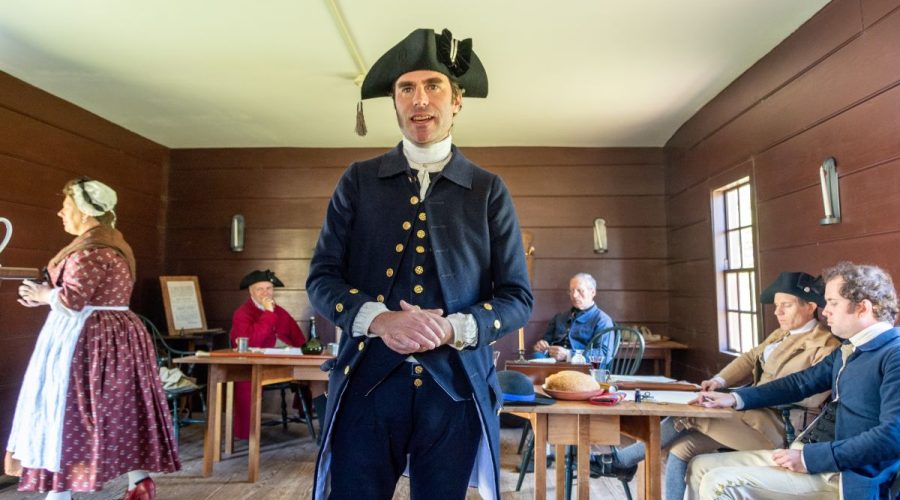
Historic Halifax State Historic Site is commemorating Friday through Sunday the 250-year anniversary of North Carolina taking the first official action of any colony to call for independence of British rule.
Tea parties too: Edenton, Wilmington women protested tax
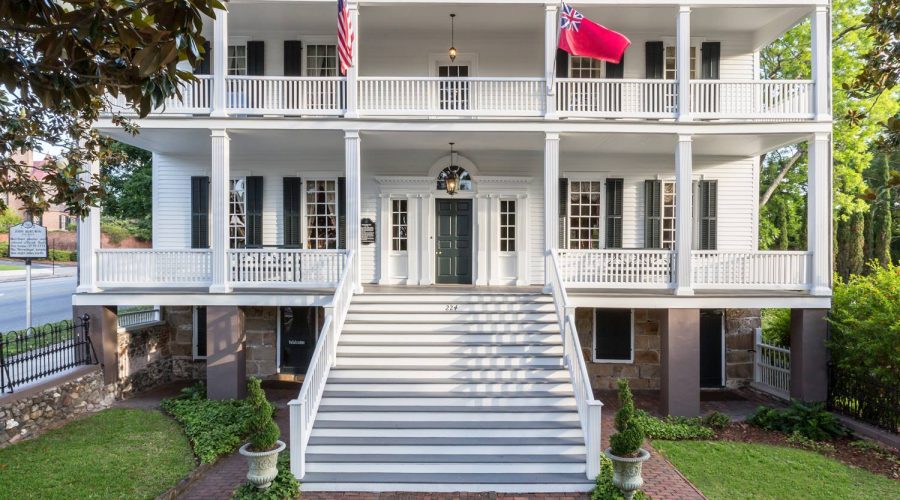
Through boycotts and burning, women in Wilmington and Edenton took a stand in 1774 against England’s taxation without representation by forming their own tea party protests, the earliest-known political actions organized by women in the American colonies.
Rainy remembrance marks Revolution’s first decisive win
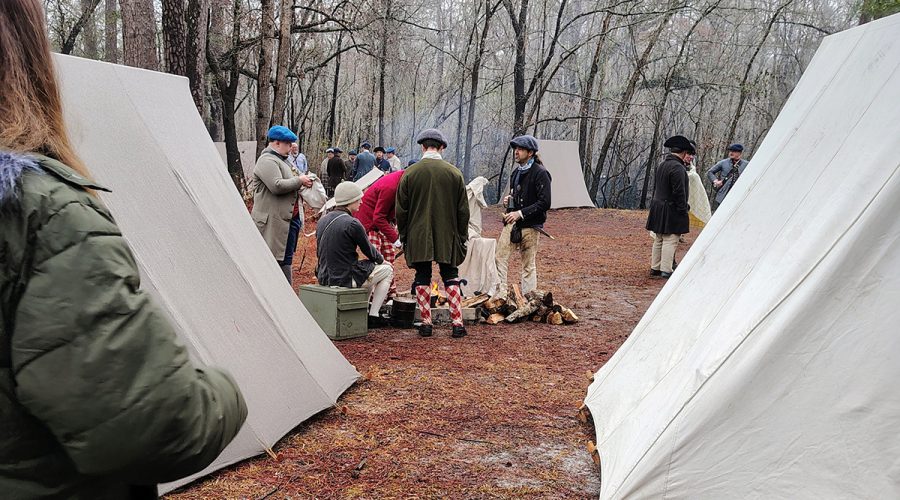
The commemoration of the first notable patriot victory of the Revolutionary War held recently at Moores Creek National Battlefield in Pender County featured reenactors, a ribbon-cutting for two exhibits, and special guest, Diana Gabaldon, creator of “Outlander.”
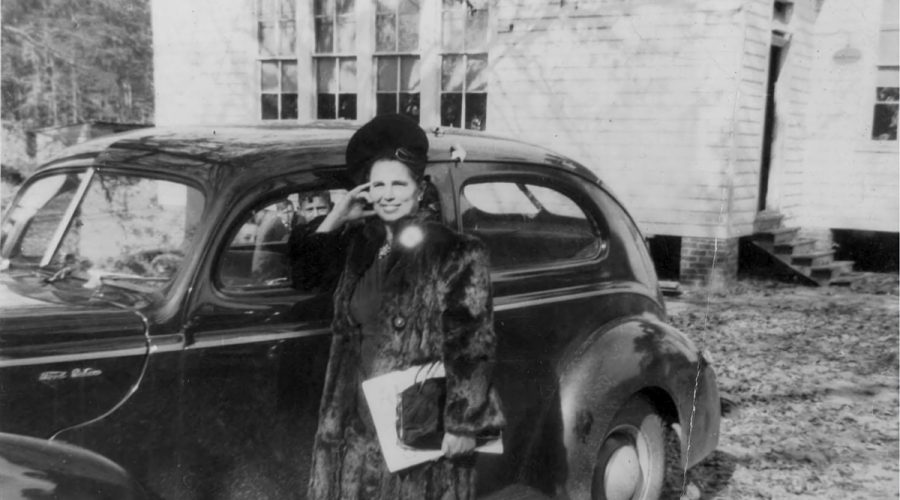
Saved from demolition, Rosenwald School still needs help
The National Register of Historic Places-listed structure was described in 2016 as the only graded public school that, from the 1920s-1950s, served both local African American and Native American students in the Pleasant Plains community.
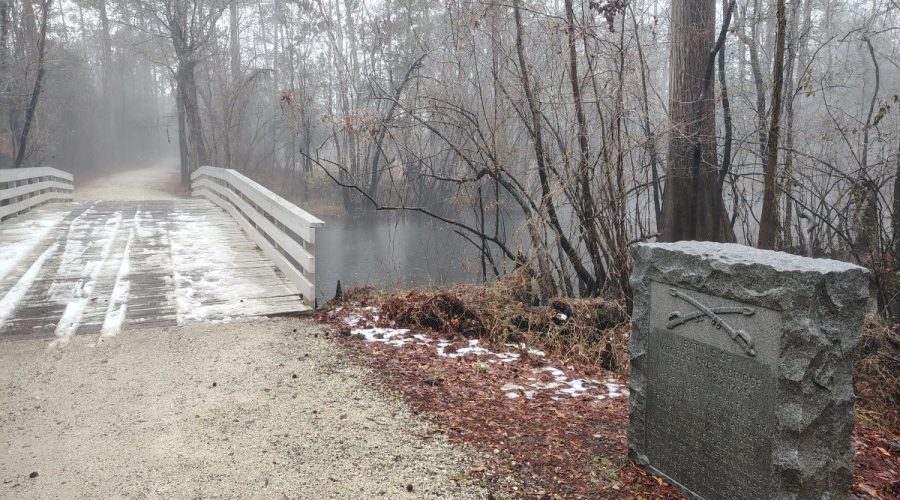
Pender County event honors patriots’ first win of Revolution
Moores Creek National Battlefield, the site where, on Feb. 27, 1776, the first decisive victory of the American Revolution took place, ending English authority in North Carolina.
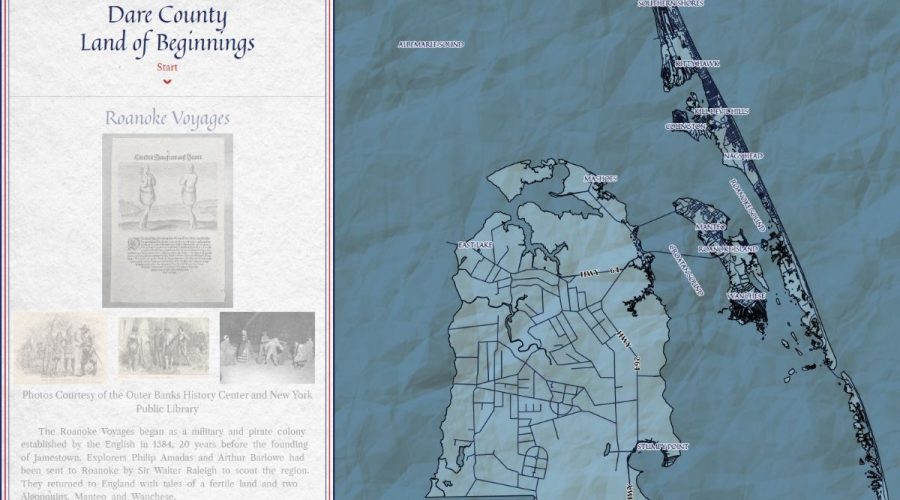
Dare County begins America’s 250th commemoration
Dare A250, the county’s planning committee for America’s 250th, has begun celebrating with an interactive map and passport program that focuses on Dare’s contributions to the nation’s origins.
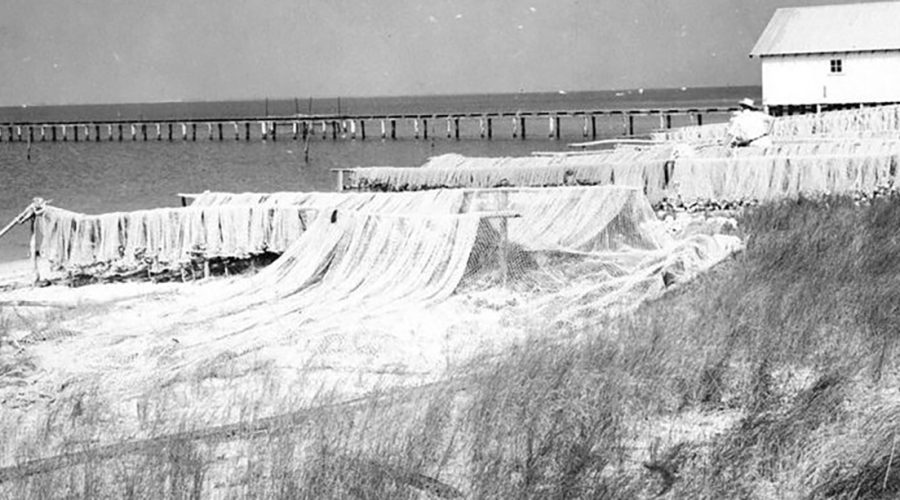
Our Coast: On the shores of Harkers Island, 1944
Historian David Cecelski looks beyond the tranquil scene in this image featuring Capt. Stacy Davis, his fish house and nets on Harkers Island, and at the great upheaval here in the years between the 1933 hurricane and just after World War II.
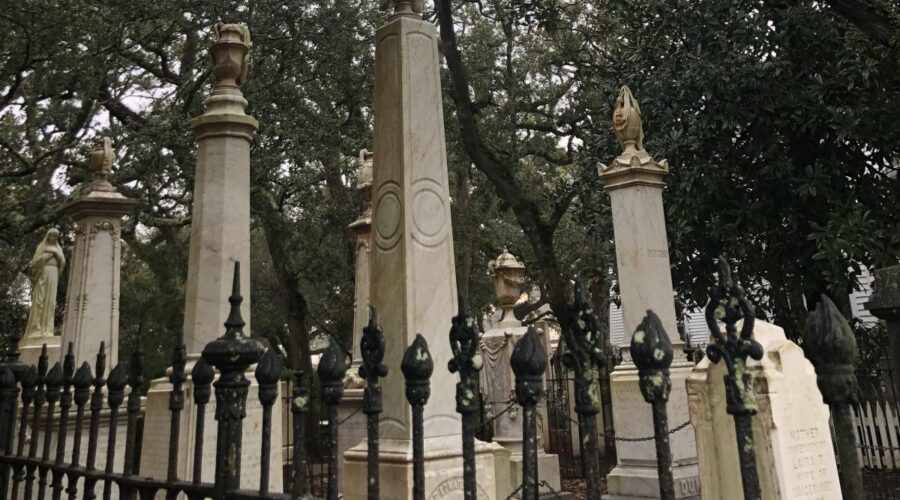
Records point to 13 unmarked graves in Old Burying Ground
Carteret County native Bill Lewis has spent the last few years digging through records to corroborate what he’s always heard: that 13 of his ancestors are buried in unmarked graves in the Old Burying Ground.
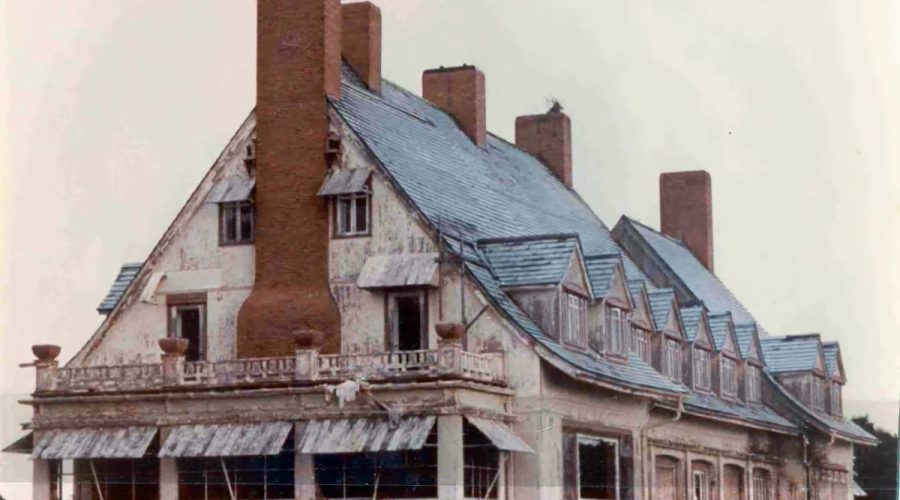
Historic Whalehead Club to mark centennial in October
The centennial of the 21,000-square-foot art nouveau mansion and centerpiece of Historic Corolla Park will be commemorated in October with special tours and other ticketed events.

Cape Lookout Lighthouse set for $15 million renovation
The 163-foot-tall tower will soon shed its distinctive black-and-white diamond pattern, expose its red bricks not seen since 1873 and don newly refurbished ironwork, safety improvements and breathable paint as part of the preservation effort.
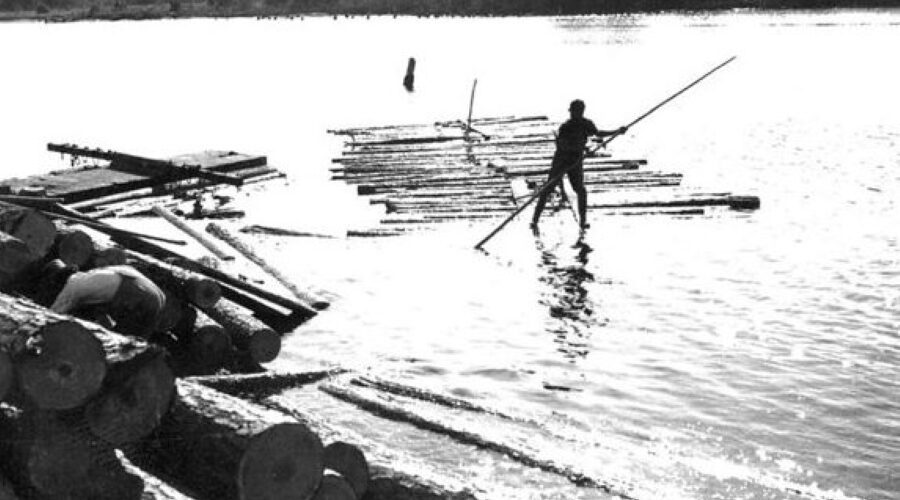
Historian explores the working lives of eastern NC 1937-1947
Historian David Cecelski introduces a series of photo-essays focusing on the working lives of people in eastern North Carolina just before, during, and after the Second World War.